
Beyond the booming cracks of the bat and soaring baseballs, a subtle yet potent layer of strategy simmers beneath the surface of the Home Run Derby. It’s not just about raw power; it’s about tactical acumen, and at the heart of this lies the timeout. Picture this: the crowd roars, the hitter sweats, and with a wave of the hand, everything pauses. This isn’t just a break; it’s a chess move. A perfectly timed timeout can be the difference between a champion and an also-ran.
The Home Run Derby timeout has evolved from a simple breather to a strategic weapon. It’s a chance to recalibrate, refocus, and potentially disrupt an opponent’s rhythm. Ignoring its importance is like playing poker without understanding bluffing – you’re leaving a significant advantage on the table. So, step up to the plate, because understanding the strategic timeout is vital to success in one of baseball’s most electrifying events.
The Evolution of the Home Run Derby Timeout
The Home Run Derby, a celebrated exhibition of power hitting, has undergone a series of transformations since its inception. One of the most significant evolutions lies in its format, particularly the structure of rounds and the strategic implementation of timeouts. Early iterations relied on an ‘outs’ system, where a hitter’s turn concluded after a predetermined number of unsuccessful swings. However, the modern Derby utilizes timed rounds, compelling participants to carefully consider when to leverage their timeouts for maximum impact, making every second count.
From Outs to Timers: A Fundamental Shift
The shift from an ‘outs’ system to timed rounds fundamentally altered the Home Run Derby landscape. In the ‘outs’ system, timeouts were less critical; a hitter simply needed to avoid swinging and missing. The introduction of timed rounds injected a new layer of strategy. Now, fatigue and rhythm became paramount. A well-placed timeout could allow a batter to regain composure, adjust their approach, or simply catch their breath, potentially leading to a surge in home runs before the clock expires. For instance, a batter might call a timeout after a string of near misses to recalibrate and finish strong such a moment would be less meaningful under the previous format.
Bonus Time and Pitch Counts: Modern Influences
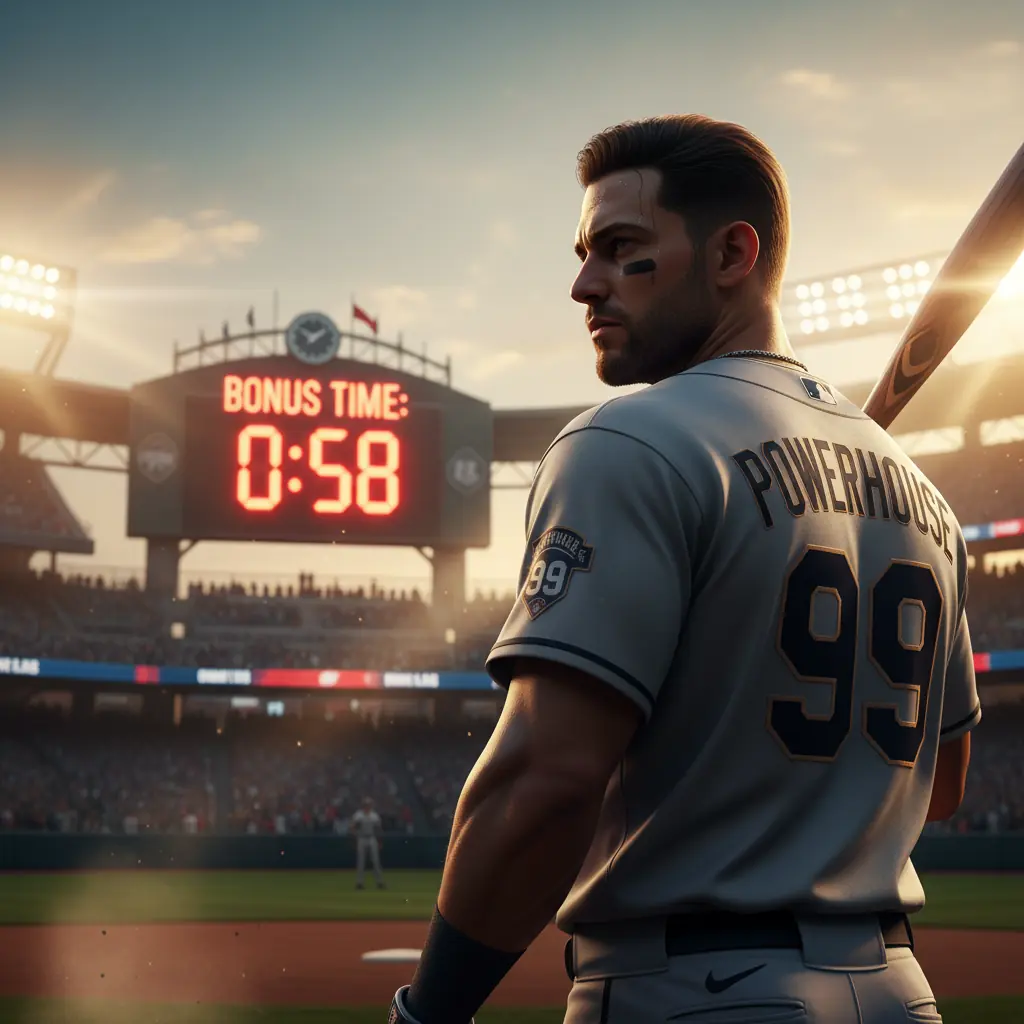
The introduction of bonus time and pitch count regulations further complicates timeout strategy. Bonus time, awarded for hitting home runs of a certain distance, extends the round, creating opportunities for additional dingers. A hitter might strategically use a timeout to conserve energy, knowing that a potential bonus could prolong their turn. Pitch counts, while less direct, also play a role; fatigue can increase as the round progresses and a timeout might be essential to maintain swing quality and avoid unproductive pitches. The strategic nuance of when and how to deploy each timeout decides who walks away as champion, and who goes home empty-handed.
Strategic Use of Timeouts: When and Why
Timeouts in Major League Baseball aren’t just pauses in the action; they’re strategic weapons that, when used wisely, can significantly influence the game’s outcome. The key is understanding when and why to call them. Are you trying to disrupt the other team? Is your own team gassed or overwhelmed? Are you in need to change tactics? The team only gets ONE timeout to figure it out. These are all critical questions that should factor into the decision. Employing a smart timeout strategy is another part of MLB tactics. They can shift momentum, provide a moment to collect thoughts, or offer a brief respite from physical exhaustion. However, teams must use them judiciously, because once it’s gone, it’s gone.
Breaking an Opponent’s Rhythm
One of the most effective uses of a timeout is to disrupt an opponent’s rhythm. When a batter gets hot or a pitcher finds their groove, a well-timed timeout can throw a wrench into their concentration. Picture this: the opposing team has runners on second and third with only one out, their hitter just crushed a double, and the crowd is going wild. Calling a timeout provides a crucial breather for the pitcher and the entire team. This isn’t just about physically stopping play; it’s about the psychology of the game. It allows the manager to stroll to the mound, offer words of encouragement or make strategic adjustments, and ultimately, break the batter’s focus and make him think twice.
Regaining Composure and Addressing Fatigue
The mental and physical demands of baseball are immense, and a timeout can be a crucial tool for regaining composure and addressing fatigue. Sometimes, a player just needs a moment to manage their adrenaline, catch their breath, and refocus. For example, after a grueling ten-pitch at-bat or a series of intense defensive plays, calling a timeout allows the player to step back, hydrate, and mentally reset. The dugout becomes a sanctuary where players can regroup, get a quick pep talk from their coach, and visualize success. Don’t underestimate the power of a brief pause to combat fatigue and restore mental clarity; it can be the difference between a critical error and a game-winning play. Sometimes, the pressure needs a valve, and a timeout can provide that.
The Mental Game: Timeout as a Psychological Tool
The timeout, in the context of a high-stakes competition, transcends its basic function as a momentary pause. It morphs into a tool of psychological warfare, a silent battle waged within the minds of both the hitter and the pitcher. Understanding this mental dimension is key to truly mastering strategy.
Intimidation
A well-timed timeout can be a masterclass in intimidation without uttering a single word. It’s about planting a seed of doubt. By disrupting the flow, you subtly force your opponent to second-guess their strategy, their stance, or their read. This mental pressure can be enough to throw them off their A-game.
Focus
The environment surrounding any competition, big or small, is often a symphony of distractions. A timeout becomes a crucial mental reset button. It provides a sanctuary amidst the chaos, a chance to shut out the noise and regain unwavering focus and composure. This concentrated clarity can translate to improved decision-making and execution.

Timeout Strategies in Action: Case Studies
Analyzing how successful hitters have used timeouts in past Home Run Derbies can provide valuable insights into effective strategies. The Home Run Derby, a contest of pure power and endurance, often sees competitors strategically employing timeouts to recalibrate, conserve energy, or disrupt an opponent’s rhythm. Studying these instances through specific case studies reveals patterns and potential advantages associated with well-timed breaks.
Case Study 1
One notable instance can be found in the 2017 Home Run Derby, where Cody Bellinger strategically used his timeout in the final round against Aaron Judge. Bellinger, visibly fatigued, called a timeout midway through his final round. This allowed him to regroup, catch his breath, and adjust his approach. While he ultimately lost to Judge, the timeout demonstrably extended his performance and allowed him to put up a more competitive score. He was able to reset and try to hit as many home runs as possible.
Case Study 2
Another compelling example comes from the 2019 Home Run Derby, featuring Pete Alonso. Known for his incredible stamina and power, Alonso used his timeout to break the rhythm of the round. Often, he would use timeouts right after hitting a series of home runs, giving himself a short rest so he could keep this rhythm. This demonstrates how timeouts can be used not only to recover from struggles but also to maintain momentum and to keep hitting and trying to win.
Optimizing Your Timeout Strategy: Actionable Steps
Developing a pre-derby plan for when and how to use your timeouts, based on potential scenarios, is crucial for optimizing performance. Integrating mental preparation techniques into this plan can give you a significant edge.
Analyze Each Game Situation
Consider various game situations that might warrant a timeout. Is the opposing team gaining momentum? Are you struggling to maintain your pace? Understanding the specific purpose of a timeout in different scenarios is vital for a well-rounded mental game. Think about scenarios that might require you to “ice” the pitcher to break the momentum.
Simulate Pressure and Visualize
Harness the potent tool of mental visualization to prepare for timeout scenarios. Imagine yourself in the heat of the moment, calling a timeout, and addressing your team. Explore potential outcomes and mentally prepare to handle them effectively. The psychology of a well-timed timeout lies in your ability to remain composed and focused under pressure.